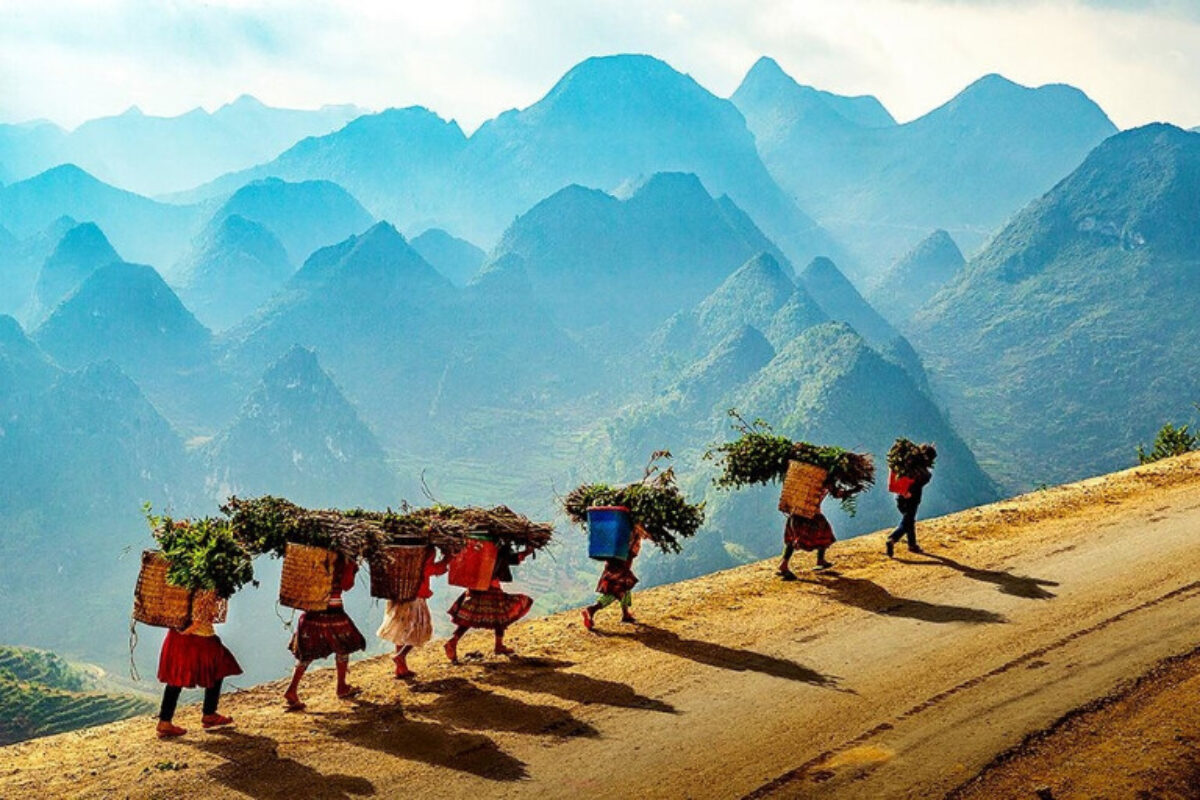
Traditional markets in Vietnam are more than just places for buying and selling goods. They reflect the rhythm of daily life, regional culture, and long-standing trading traditions. From floating markets in the Mekong Delta to highland ethnic markets in the north, each type of market offers a unique experience for both locals and travelers.
Below is a comprehensive overview of the most common types of traditional markets in Vietnam.
1. Wet Markets (Chợ dân sinh)
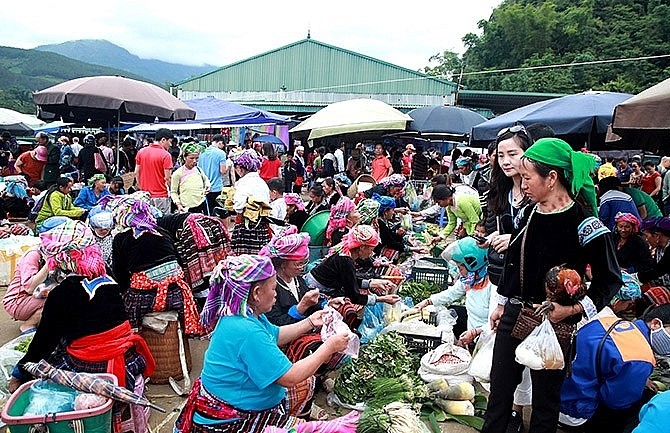
Wet markets are the most common type of traditional market found across Vietnam. They operate daily and primarily serve local communities.
These markets sell fresh produce such as vegetables, fruits, meat, fish, and household essentials. The atmosphere is lively, often starting early in the morning when the freshest goods arrive.
Wet markets are ideal for experiencing authentic local life and understanding Vietnamese food culture.
2. Floating Markets (Chợ nổi)
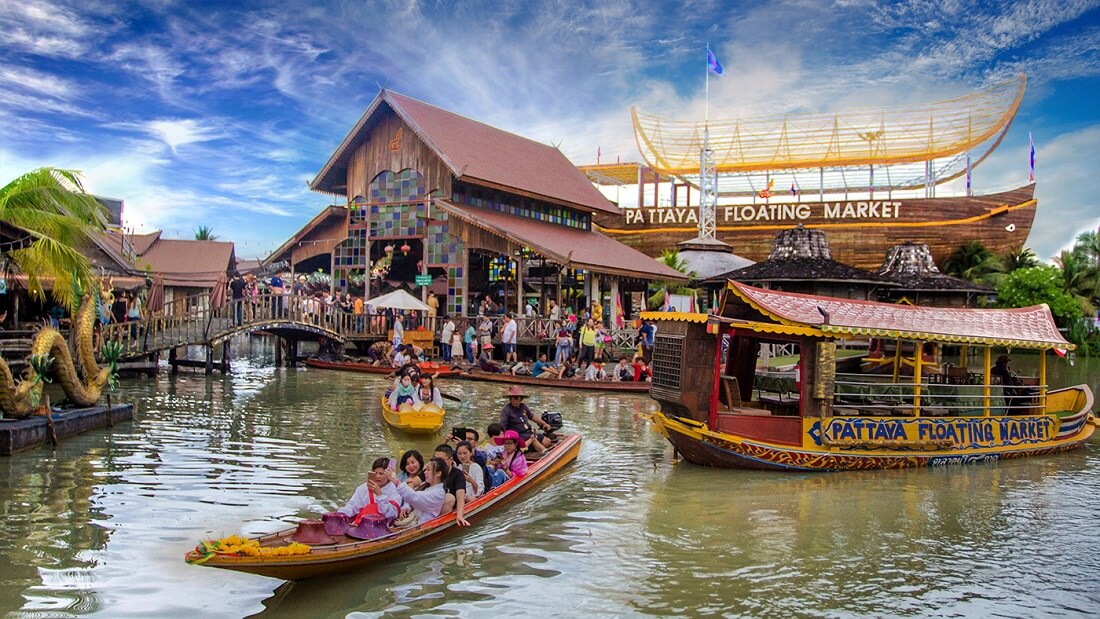
Floating markets are unique to the Mekong Delta region, including famous ones such as Cai Rang and Cai Be.
Vendors sell goods directly from boats, creating a dynamic marketplace on the water. Products range from fresh fruits and vegetables to cooked meals and drinks.
This type of market reflects the river-based lifestyle of southern Vietnam and is best visited early in the morning.
3. Highland Ethnic Markets (Chợ vùng cao)
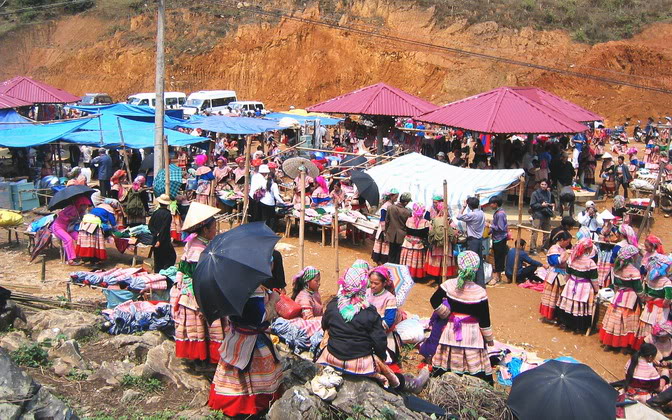
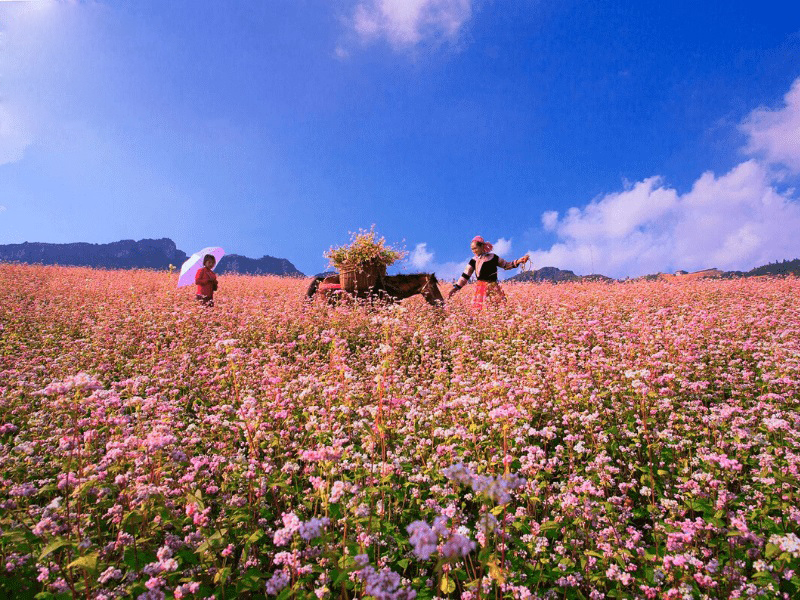
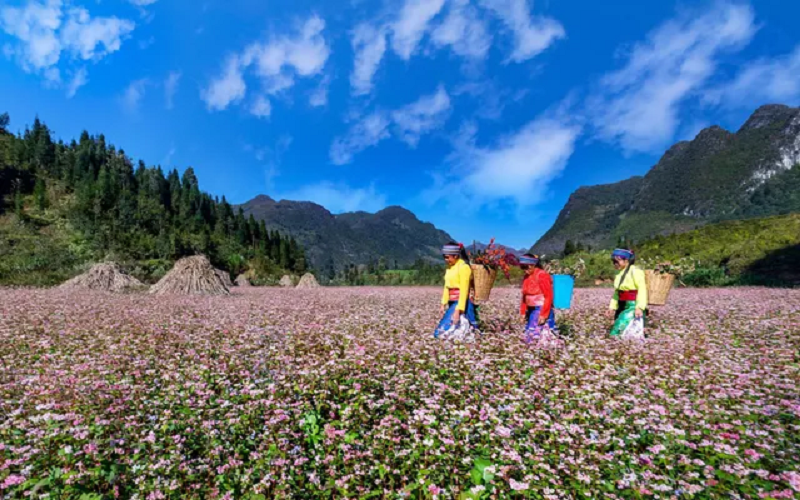
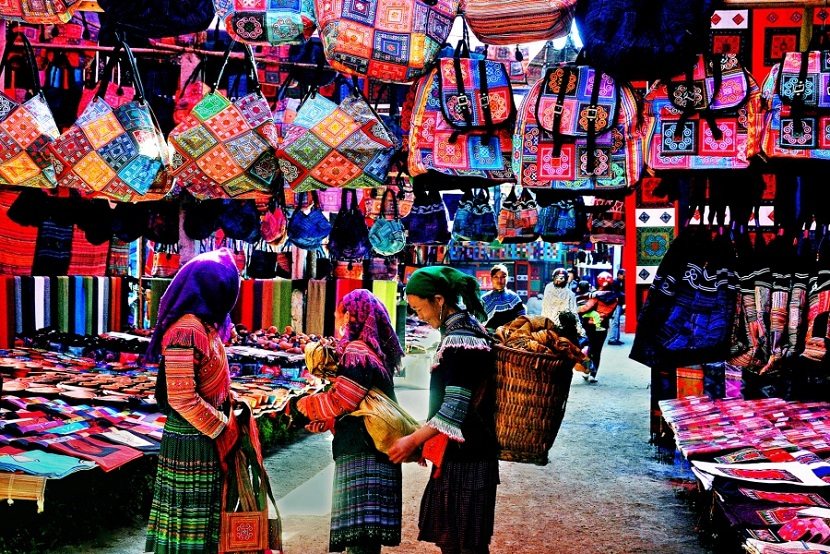
These markets are typically held weekly in mountainous regions such as Ha Giang, Lao Cai, and Bac Ha.
They are gathering places for ethnic minority communities to trade goods, socialize, and maintain cultural traditions. Visitors can find handmade textiles, traditional clothing, livestock, and local specialties.
The vibrant colors and cultural diversity make these markets especially attractive for travelers interested in cultural experiences.
4. Night Markets (Chợ đêm)
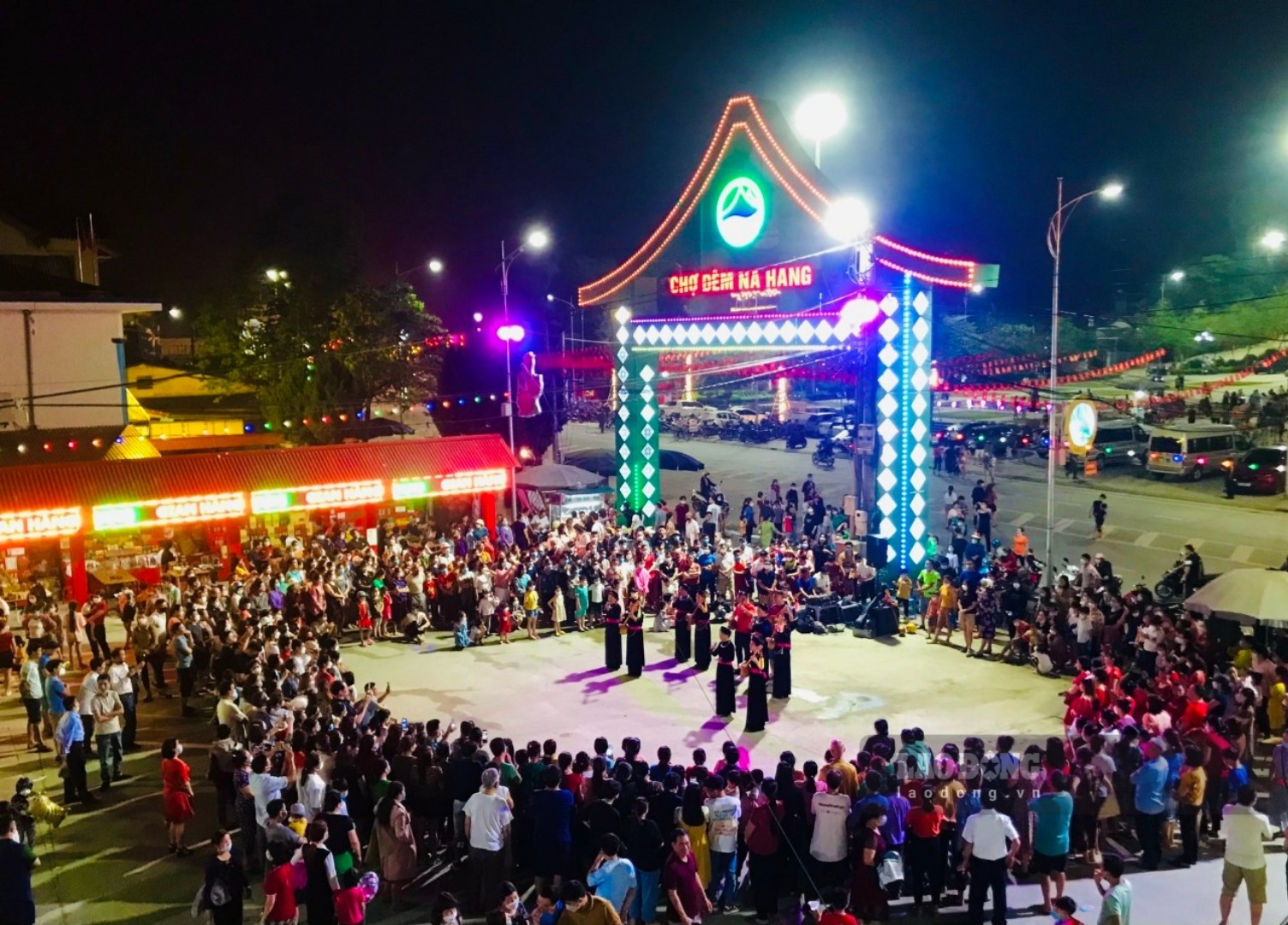
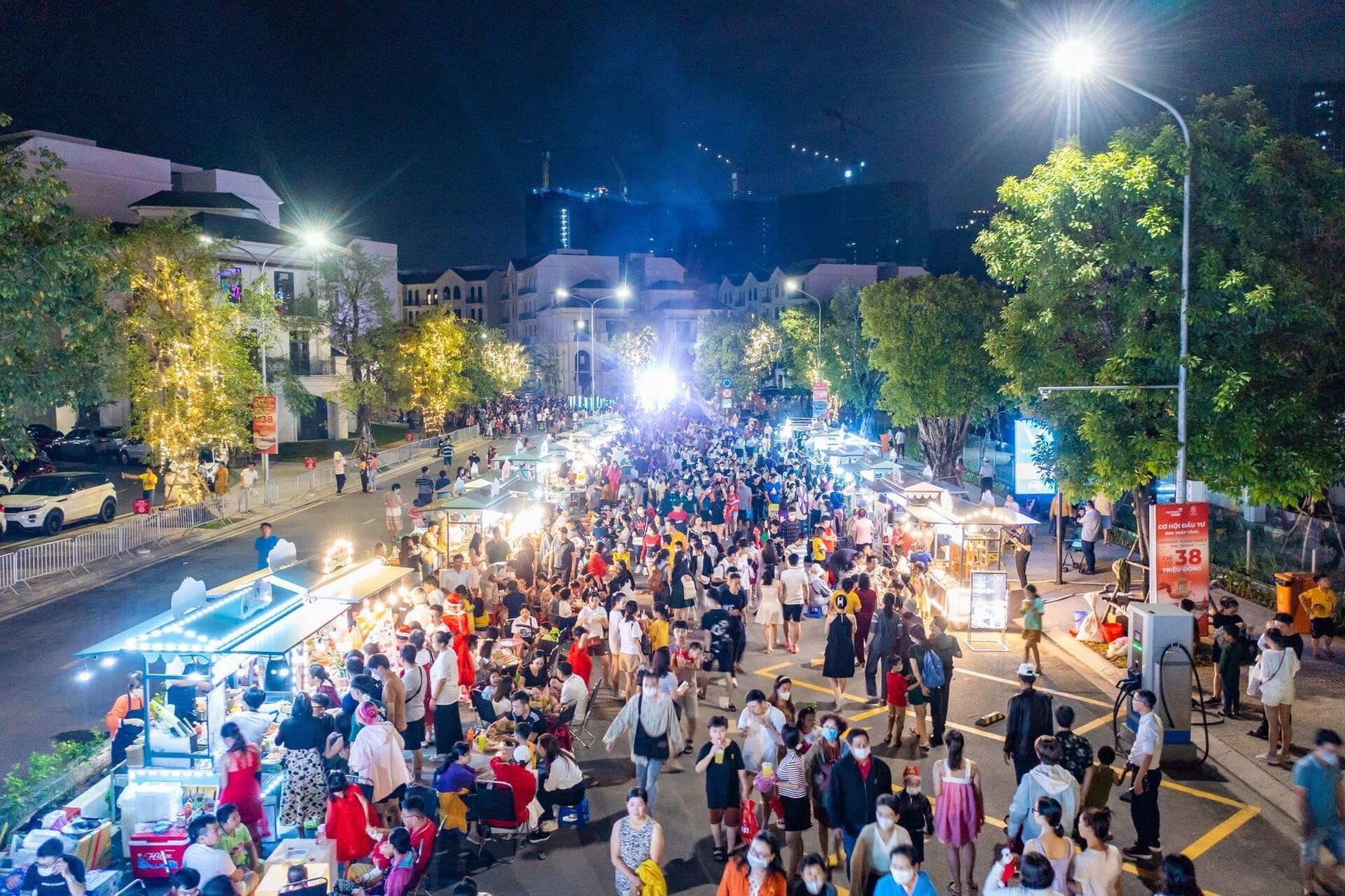
Night markets are popular in tourist destinations such as Hanoi, Ho Chi Minh City, Da Nang, and Hoi An.
They usually open in the evening and offer street food, souvenirs, clothing, and handicrafts. The atmosphere is lively, with lights, music, and street performances.
Night markets are ideal for shopping and enjoying local cuisine in a relaxed setting.
5. Wholesale Markets (Chợ đầu mối)
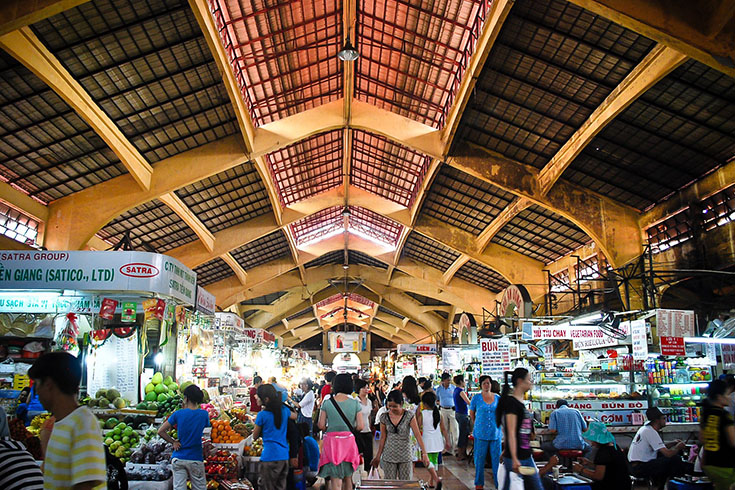
Wholesale markets are large-scale trading hubs where goods are distributed in bulk to smaller vendors and retailers.
Examples include Binh Dien Market in Ho Chi Minh City and Long Bien Market in Hanoi. These markets operate mainly at night or very early in the morning.
They provide insight into the supply chain of food and goods in Vietnam and are fascinating for those interested in commerce and logistics.
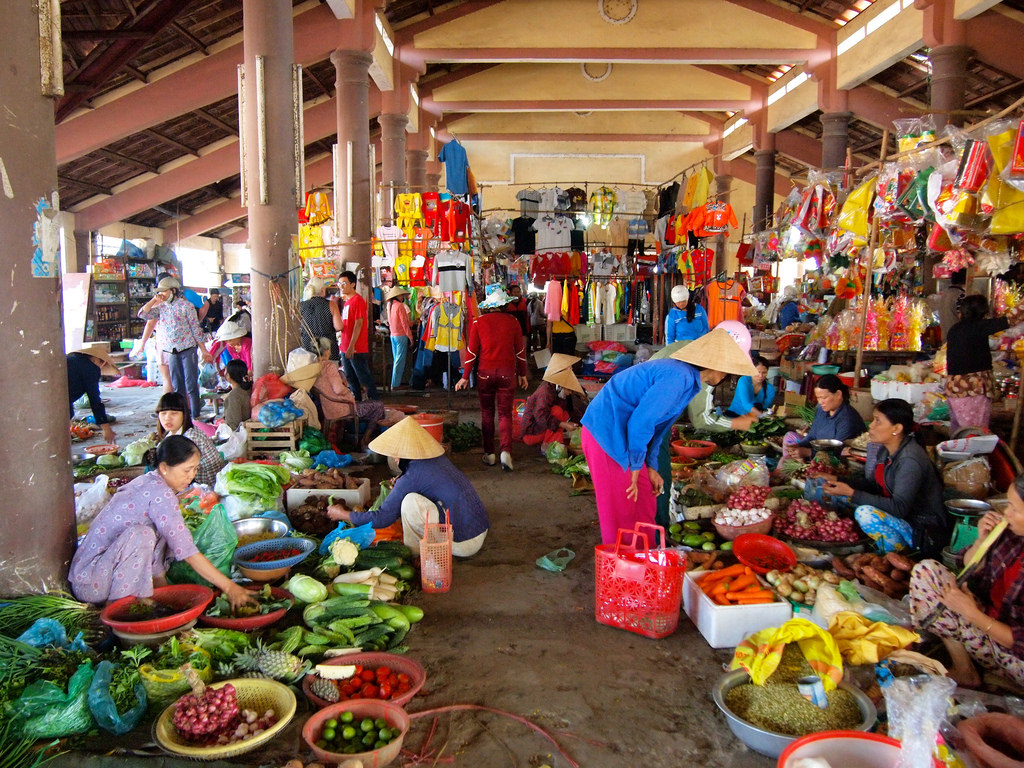
6. Rural Markets (Chợ quê)
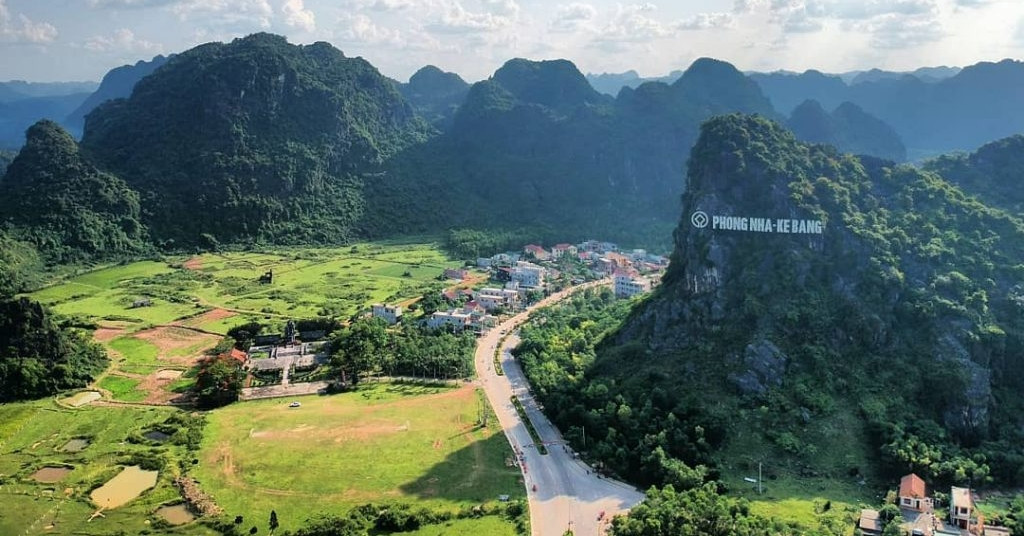
Rural markets are typically held in villages and small towns, often on specific days of the week.
They offer locally grown produce, handmade goods, and traditional foods. The pace is slower, and the environment is more intimate compared to urban markets.
These markets reflect the simplicity and authenticity of countryside life in Vietnam.
7. Craft Village Markets (Chợ làng nghề)
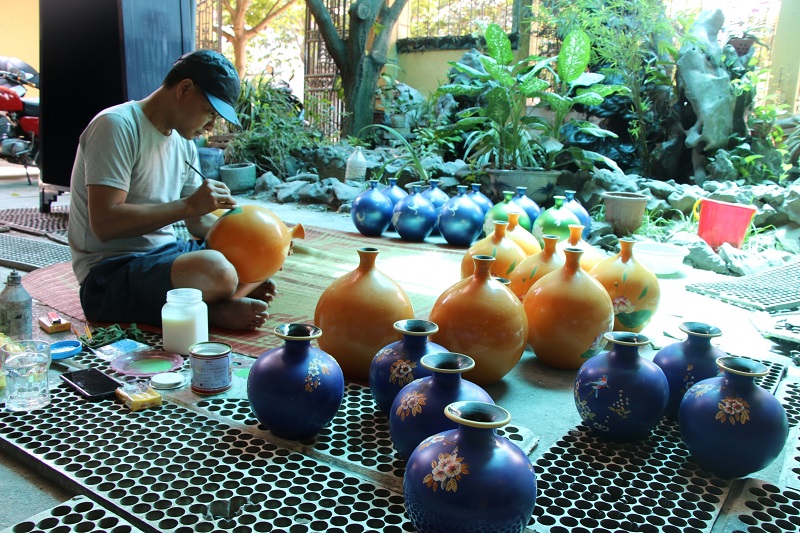
Located within or near traditional craft villages, these markets specialize in locally made products such as ceramics, silk, bamboo crafts, and lacquerware.
Examples include Bat Trang pottery market and Van Phuc silk village market.
Visitors can not only shop but also observe production processes and interact with artisans.
8. Festival Markets (Chợ hội)
Festival markets appear during traditional festivals and cultural events.
They combine trading activities with entertainment, food stalls, and cultural performances. These markets are often temporary but highly vibrant.
They offer a festive atmosphere and are a great way to experience local traditions.
Discover Local Culture with Vietlook Travel
Exploring traditional markets is an essential part of understanding Vietnam’s culture and lifestyle. Vietlook Travel offers curated tours that include visits to iconic markets across the country, from bustling urban centers to remote highland regions.
With expert local guides and well-planned itineraries, Vietlook Travel ensures a meaningful and convenient travel experience.
Traditional markets in Vietnam are diverse and deeply connected to the country’s cultural identity. Each type of market tells a different story, from the fast-paced trade of urban markets to the cultural richness of ethnic gatherings.
Whether you are a food lover, cultural explorer, or curious traveler, visiting these markets will give you a deeper appreciation of Vietnam’s everyday life and traditions.
Related post:
-

Highland Weekly Markets – A Cultural Beauty Of Mountain Regions
-

Experiencing Highland Weekly Markets In Vietnam
-

Highlights Of Highland Night Markets In Vietnam
-

Top 5 Major Festivals In Vietnam For Travel Experiences
-

With Vietlook Travel Visiting Vietnamese Countryside
-

Top 7 Tourist Destinations In The North
-

Visiting Traditional Craft Villages In Vietnam
-

Top 7 Mountains In Vietnam
-

The Latest Full Ha Giang Travel Experience
-

Ha Giang Buckwheat Flower Season
-
Ha Giang Travel Cost 2026 For Your Trip
-
Where To Go In Ha Giang For Independent Travel
-

Complete Guide To Ha Giang Package Tours
-

What To Eat In Ha Giang: Must Try Dishes And Where To Eat
-

Famous Local Dishes In Ha Giang You Should Try
-

When Is The Best Time To Visit Ha Giang?