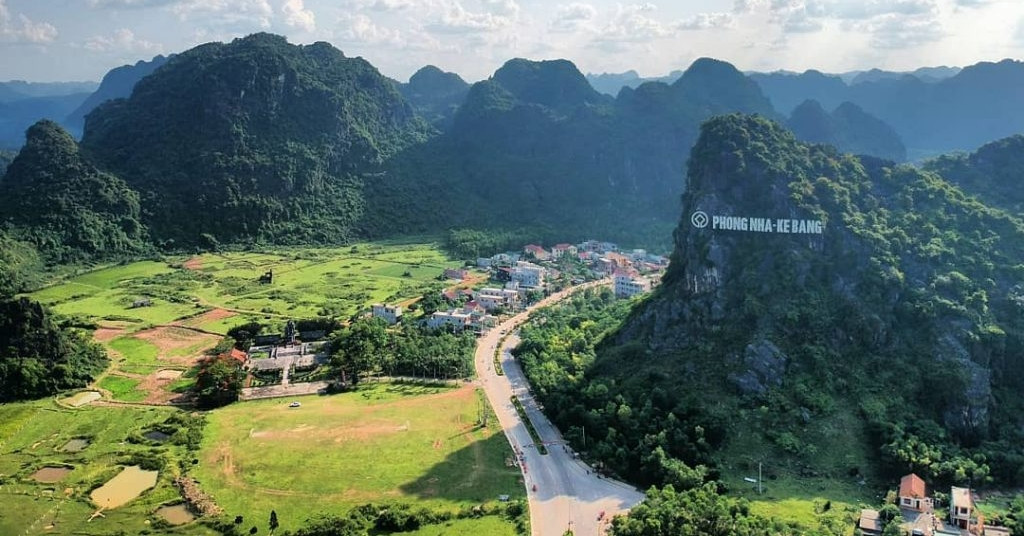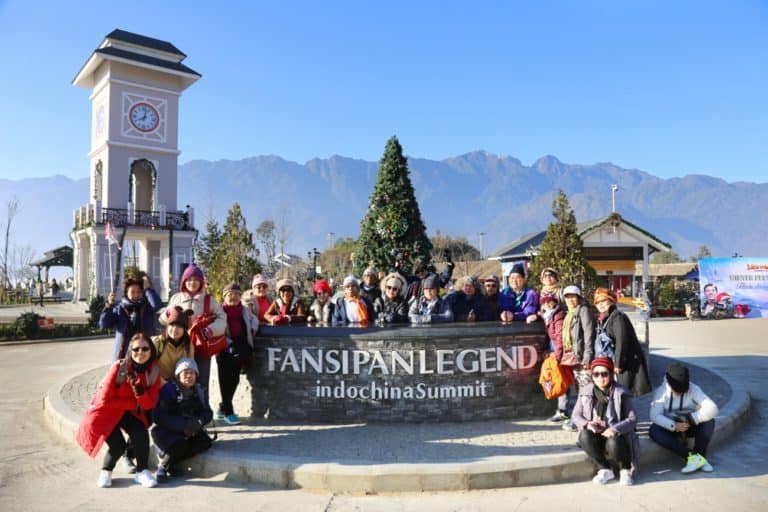
Northwest Vietnam, including destinations such as Sapa, Ha Giang, Moc Chau, and Mu Cang Chai, is characterized by a mountainous climate that differs significantly from lowland regions. Due to high elevation and complex terrain, the weather here changes clearly with each season, creating diverse travel experiences throughout the year.
Understanding the seasonal climate will help you plan your trip more effectively and prepare appropriately for each journey.
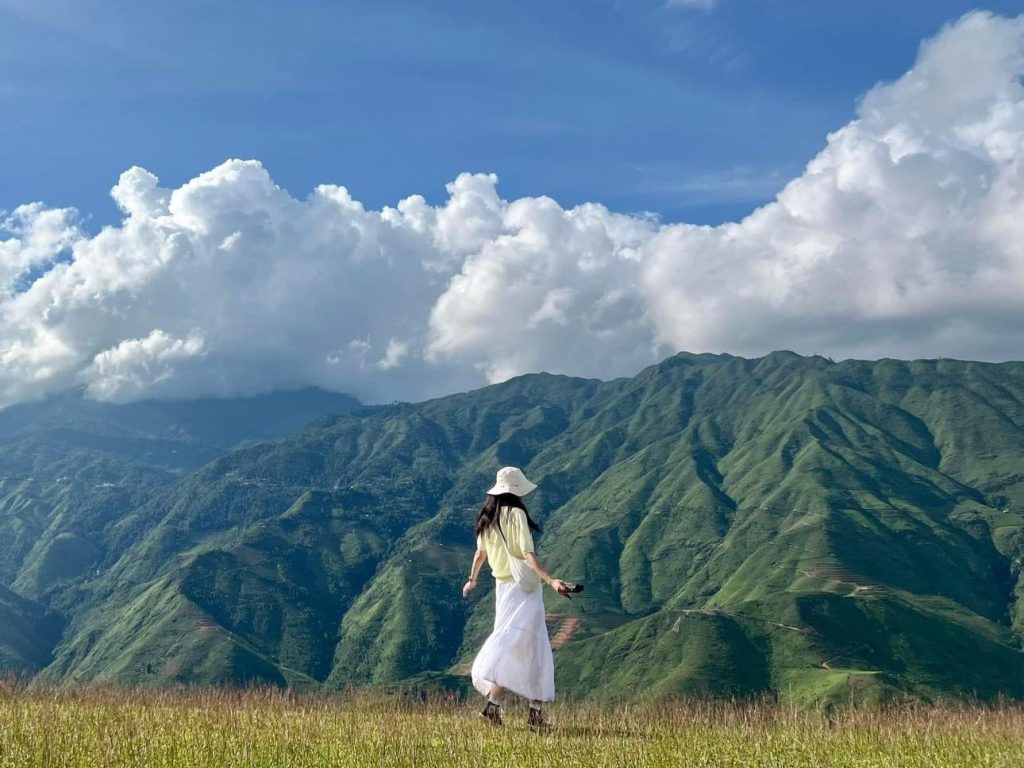
Spring (January to March): Cool Weather and High Humidity
Spring in Northwest Vietnam is typically cool, with temperatures ranging from 12 to 20 degrees Celsius depending on altitude. In higher areas such as Sapa or Dong Van, temperatures can drop lower, especially in early mornings and late evenings.
This season is known for frequent mist and light drizzle, creating a soft and poetic atmosphere across mountains and valleys. The humidity is relatively high, and fog can reduce visibility in some areas.
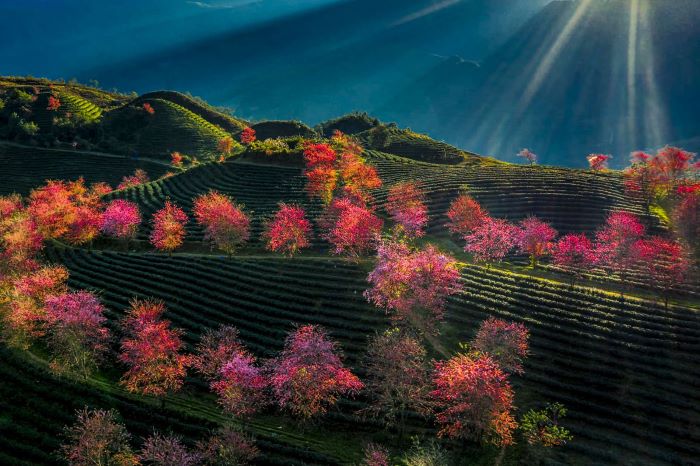
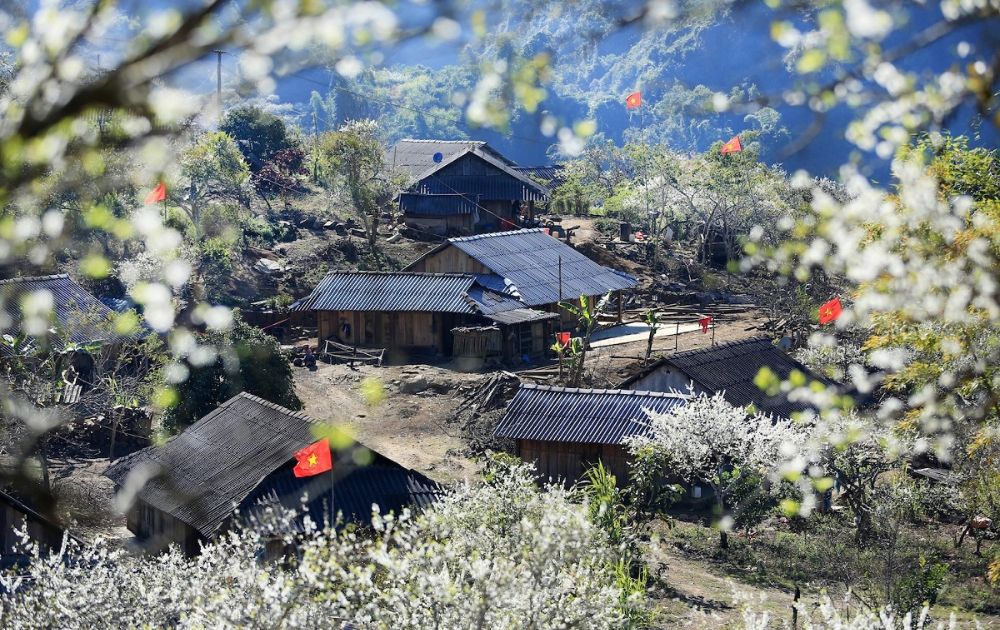
Despite this, spring is one of the most beautiful times to visit, as flowers such as peach, plum, and ban blossoms are in full bloom, adding vibrant colors to the landscape.
Summer (April to June): Mild Heat and Beginning of Rainy Season
Summer in the Northwest is not as hot as in urban areas, thanks to the elevation. Average temperatures range from 20 to 30 degrees Celsius, making it relatively comfortable for outdoor activities.
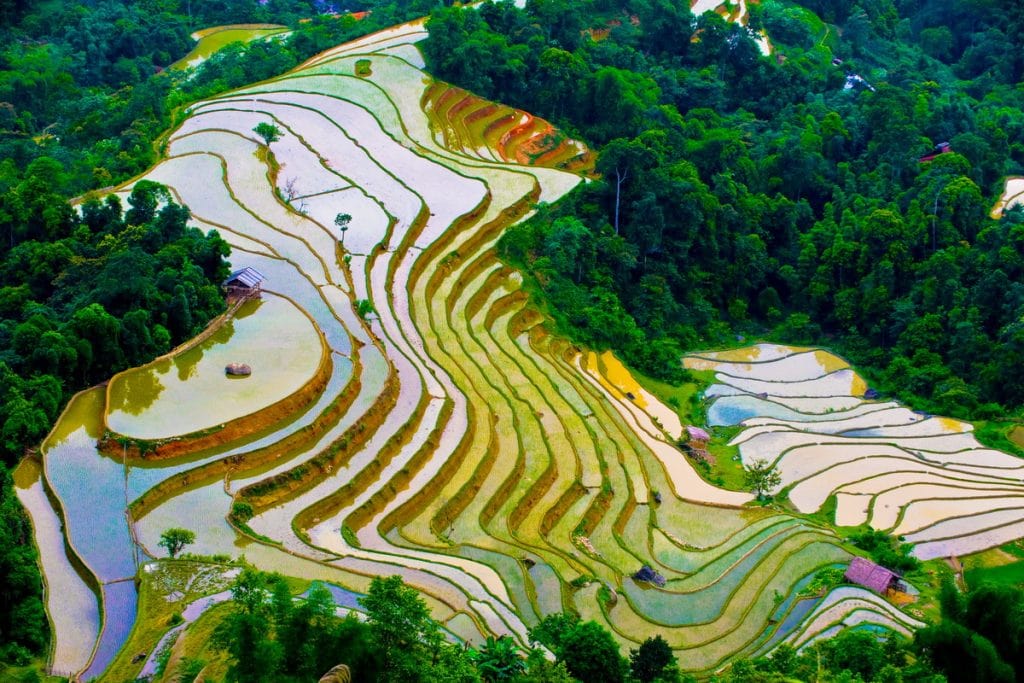
From May onward, the region begins to receive more rainfall. Short but heavy showers are common, especially in the late afternoon or evening. This is also the time when terraced fields are filled with water, creating the famous “water season” landscapes.
Travelers should be prepared for occasional rain and bring suitable clothing and footwear.
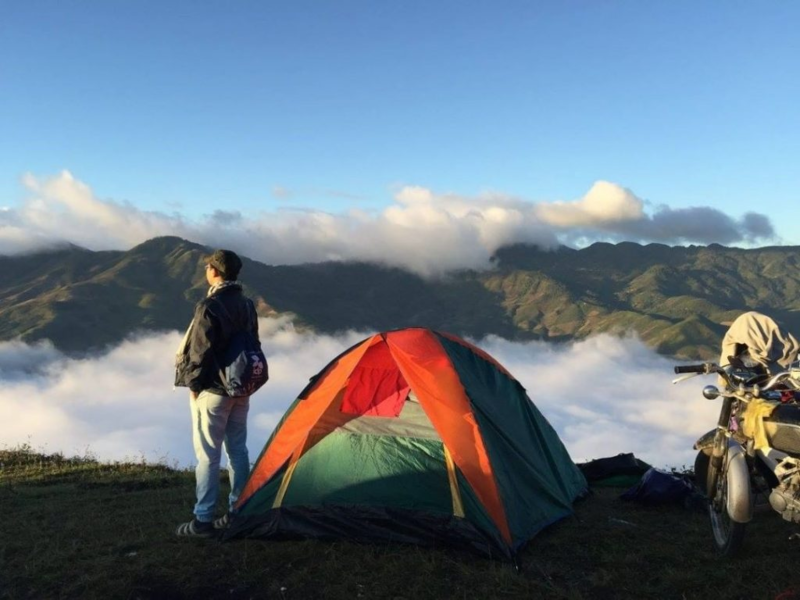
Autumn (July to October): Pleasant Weather and Harvest Season
Autumn is considered the most favorable season for travel in Northwest Vietnam. The weather becomes cooler and drier, with temperatures ranging from 18 to 28 degrees Celsius.
Rainfall decreases significantly from September onward, and skies are often clear, offering excellent visibility for sightseeing and photography.
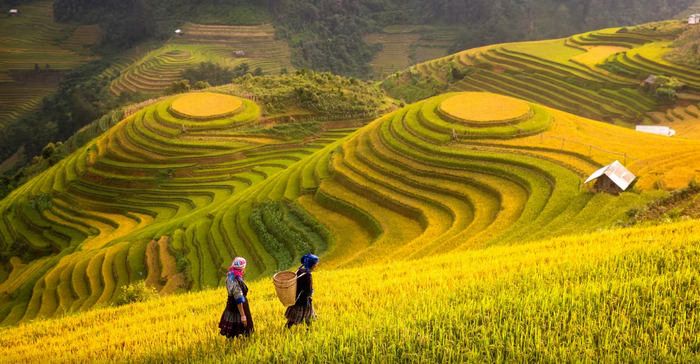
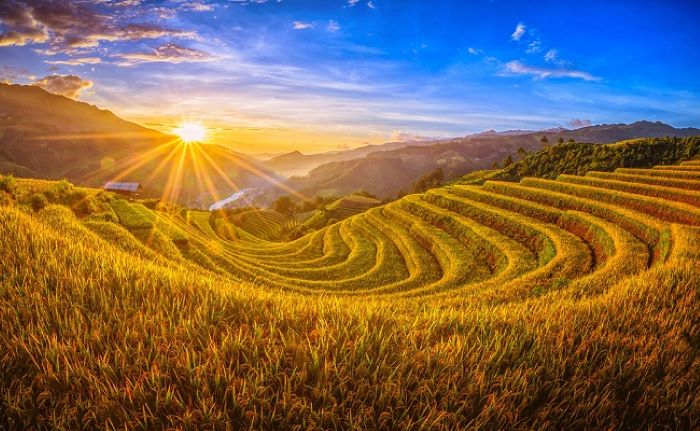
This is also the harvest season, when terraced rice fields turn golden, creating some of the most iconic landscapes in Vietnam. Conditions are ideal for trekking, exploring villages, and outdoor experiences.
Winter (November to December): Cold and Dry Conditions
Winter in the Northwest can be quite cold, especially in high-altitude regions. Temperatures typically range from 8 to 18 degrees Celsius, but can drop below 5 degrees in places like Sapa.
The weather is generally dry, with clear skies during the day. However, mornings and evenings can be very cold, and frost or even occasional snowfall may occur in the coldest areas.
This season offers a quiet and peaceful travel experience, along with unique landscapes such as blooming mustard flowers and buckwheat fields.
Key Climate Characteristics of Northwest Vietnam
The Northwest region has a typical mountainous climate with strong variations in temperature between day and night. Even during warmer months, evenings can be cool, especially in higher elevations.
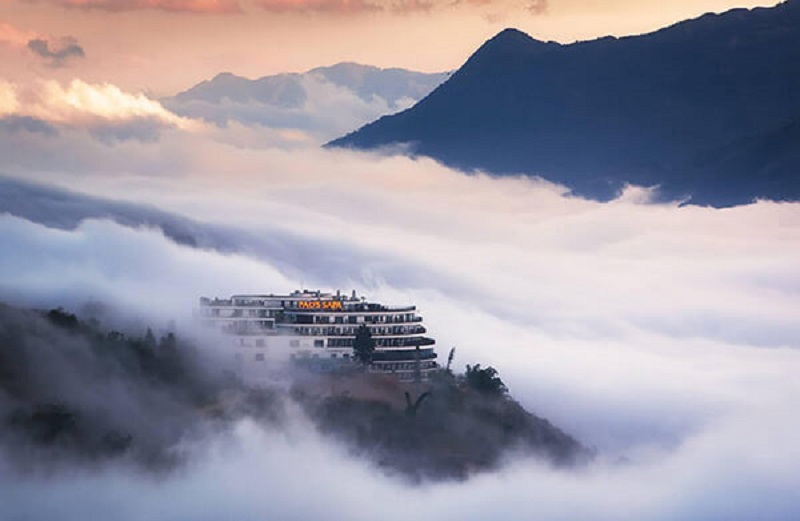
Fog and mist are common, particularly in spring and winter, adding to the region’s unique atmosphere but sometimes affecting travel conditions.
Rainfall is concentrated mainly in summer, while autumn and winter are generally drier and more stable.
Travel Tips Based on Climate
When traveling to Northwest Vietnam, it is important to prepare clothing suitable for changing temperatures. Layered outfits are recommended to adapt to both warm days and cool nights.
Comfortable shoes are essential for trekking and exploring uneven terrain. During rainy months, waterproof gear is highly recommended.
Always check weather forecasts before your trip, especially if you plan to travel through mountain passes or remote areas.
Travel with Vietlook Travel
Vietlook Travel offers well-planned itineraries tailored to seasonal weather conditions in Northwest Vietnam. With local expertise and professional services, travelers can enjoy a safe and comfortable journey regardless of the time of year.
The climate of Northwest Vietnam varies significantly across seasons, each bringing its own beauty and travel opportunities. From misty spring mornings to golden autumn landscapes, understanding the weather will help you make the most of your trip.
With proper preparation and timing, Northwest Vietnam promises an unforgettable travel experience rich in nature and culture.
Related post:
-

Traveling To Sapa During The Cherry Blossom Season
-

Hoang Su Phi, Ha Giang – A Masterpiece Of Nature And Human
-

Sapa, Lao Cai – Where The Legend Of Terraced Fields Comes To Life
-

Mu Cang Chai, Yen Bai – A Golden Paradise In The Northwest Highlands
-

Discover The Beauty Of Northwest Vietnam During The Golden Rice Season
-

Best Seasonal Highlights In Northwest Vietnam
-

Northwest Vietnam Travel Guide
-

Highland Weekly Markets – A Cultural Beauty Of Mountain Regions
-

Experiencing Highland Weekly Markets In Vietnam
-

Highlights Of Highland Night Markets In Vietnam
-

Traditional Markets In Vietnam
-

Top 5 Major Festivals In Vietnam For Travel Experiences
-

With Vietlook Travel Visiting Vietnamese Countryside
-

Top 7 Tourist Destinations In The North
-
Visiting Traditional Craft Villages In Vietnam
-

Top 7 Mountains In Vietnam