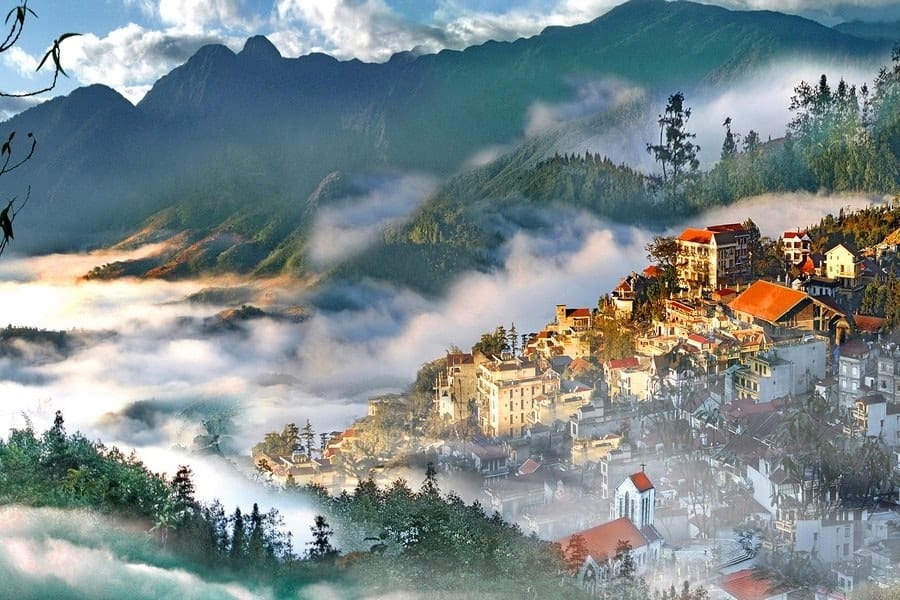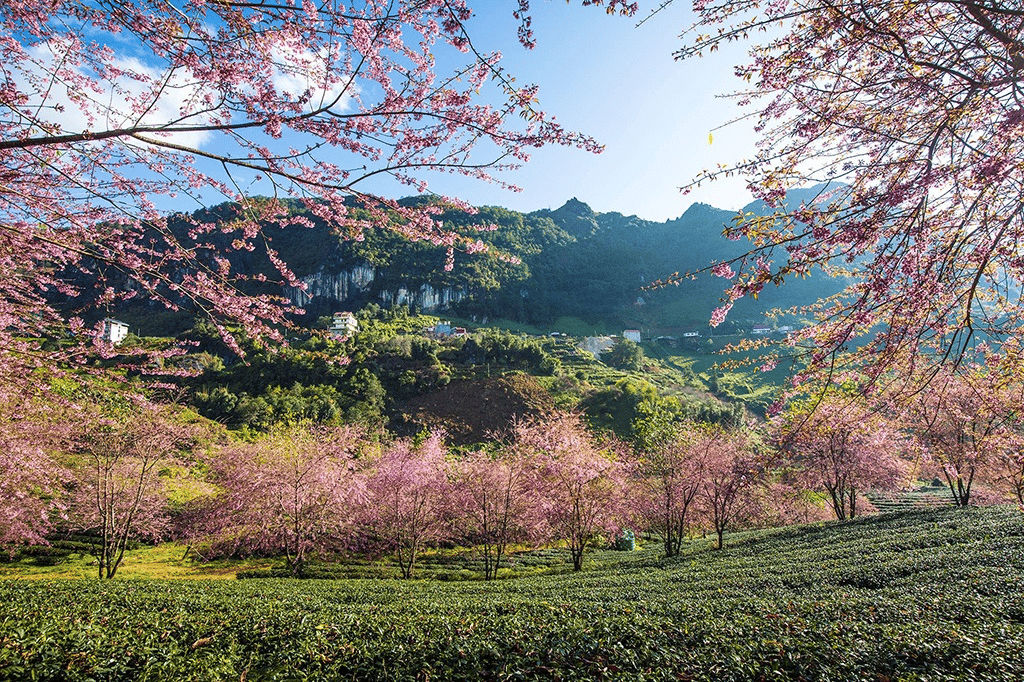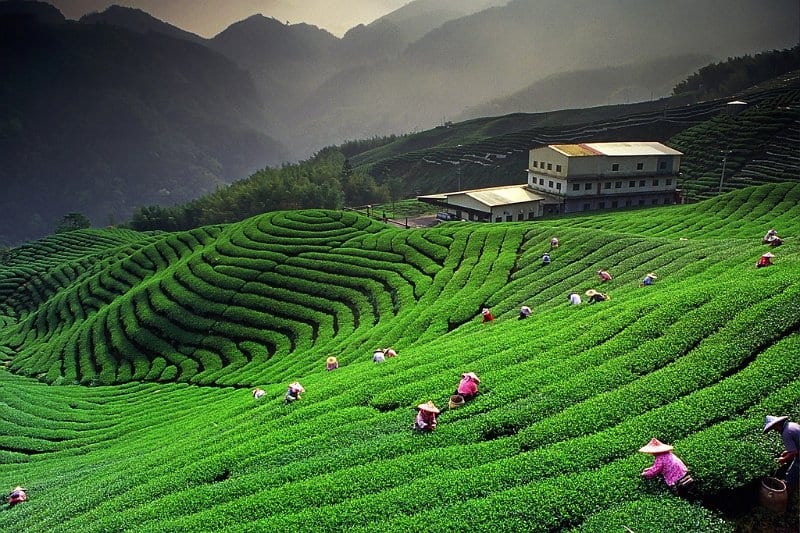
The Hmong people are one of the most distinctive ethnic groups in Vietnam, primarily living in the northern mountainous regions such as Ha Giang, Lao Cai, Son La, and Dien Bien. With a long history, rich traditions, and strong cultural identity, the Hmong community offers travelers a unique opportunity to explore an authentic way of life deeply connected to nature and ancestral heritage.
Understanding the culture and customs of the Hmong people not only enriches your travel experience but also provides meaningful insights into one of Vietnam’s most fascinating ethnic communities.
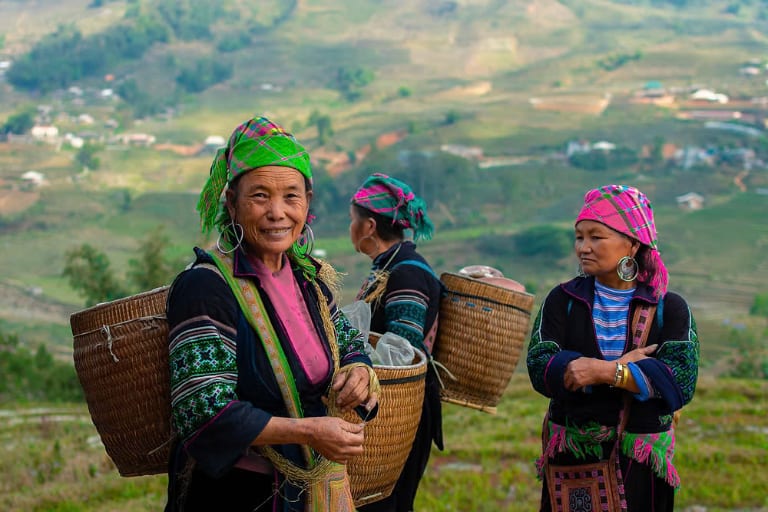
Origins and Living Environment
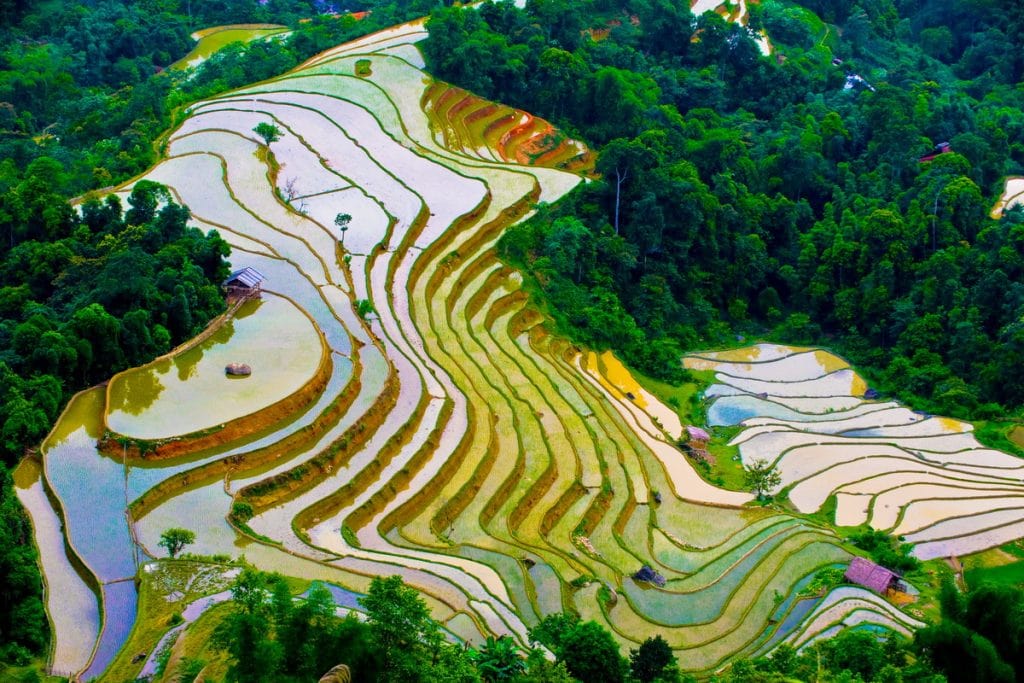
The Hmong people are believed to have migrated from southern China centuries ago and settled in the high mountainous areas of northern Vietnam. They typically live at elevations of over 1,000 meters, where the terrain is rugged and the climate can be harsh.
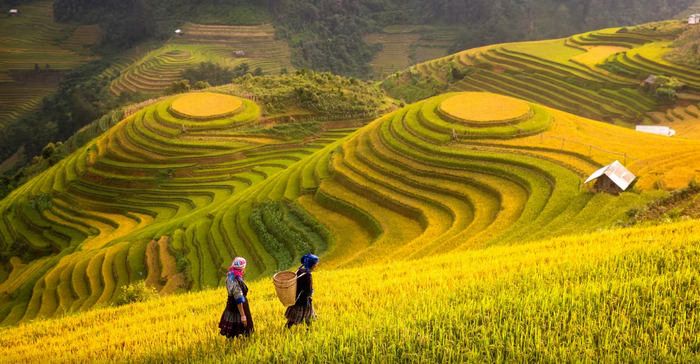
Despite these challenges, the Hmong have adapted remarkably well, building their homes on mountain slopes and cultivating crops such as corn, rice, and medicinal plants. Their lifestyle reflects resilience, independence, and a deep respect for nature.
Traditional Clothing and Identity
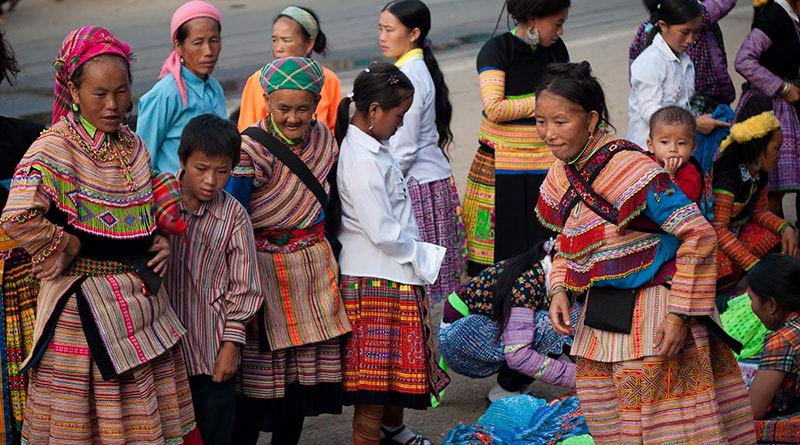
One of the most recognizable aspects of Hmong culture is their traditional clothing. Each subgroup, such as White Hmong, Black Hmong, or Flower Hmong, has its own distinct style.
Clothing is often handmade using hemp fabric, dyed with natural indigo, and decorated with intricate embroidery. For Hmong women, garments are not only a form of daily wear but also a symbol of identity, craftsmanship, and cultural pride.
These outfits are commonly worn during festivals, market days, and important ceremonies, creating a vibrant and colorful cultural landscape in the highlands.
Architecture and Living Spaces
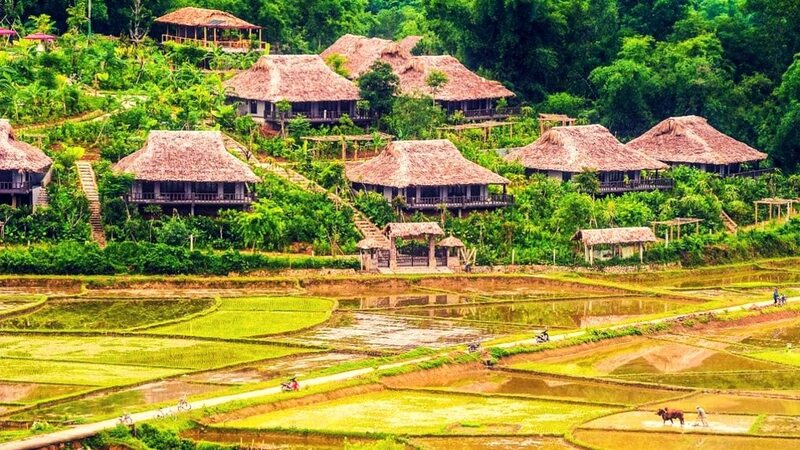
Hmong houses are typically built from wood, with clay walls and simple yet functional designs. Homes are often constructed on flat areas along mountain slopes, facing favorable directions according to traditional beliefs.
Inside the house, the altar holds a sacred position, reflecting the importance of ancestor worship in Hmong spiritual life. The living space is shared among family members, emphasizing strong family bonds and community values.
Beliefs and Spiritual Life
The spiritual life of the Hmong people is deeply rooted in animism and ancestor worship. They believe that all things, including humans, animals, and natural elements, possess a soul.
Rituals play an essential role in daily life, from healing ceremonies to agricultural practices. Shamans are highly respected figures in the community, acting as intermediaries between the physical and spiritual worlds.
Important ceremonies are conducted to pray for health, prosperity, and protection, especially during the Lunar New Year and other significant occasions.
Festivals and Traditional Celebrations
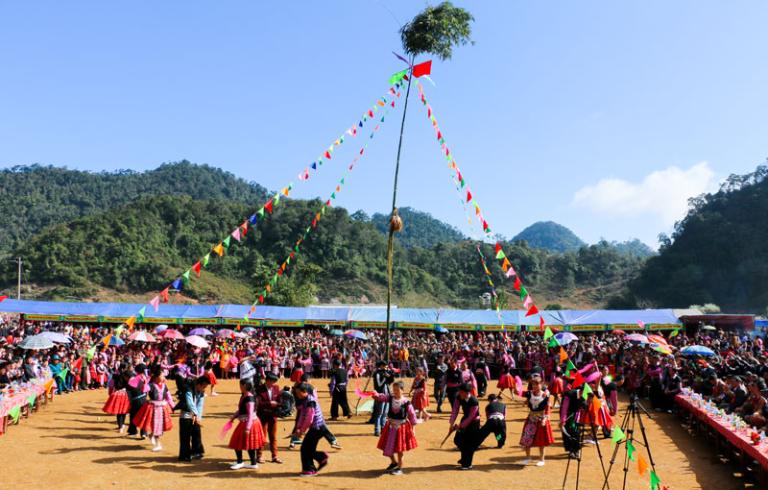
Festivals are a vibrant expression of Hmong culture. The most important celebration is the Hmong New Year, which usually takes place at the end of the harvest season.
During this time, people wear traditional clothing, participate in folk games, and engage in cultural performances such as singing, dancing, and traditional sports. Activities like “ném pao” (throwing a fabric ball) are not only entertaining but also serve as a way for young people to meet and build relationships.
These festivals are an excellent opportunity for visitors to witness the lively and communal spirit of the Hmong people.
Markets and Daily Life
Traditional markets in Hmong regions are more than just places for trading goods. They are social and cultural hubs where people gather to exchange news, meet friends, and maintain community ties.
Markets often take place weekly and feature local products such as handmade textiles, agricultural goods, and traditional foods. Visiting these markets provides a genuine glimpse into the everyday life of the Hmong community.
Cuisine and Culinary Traditions
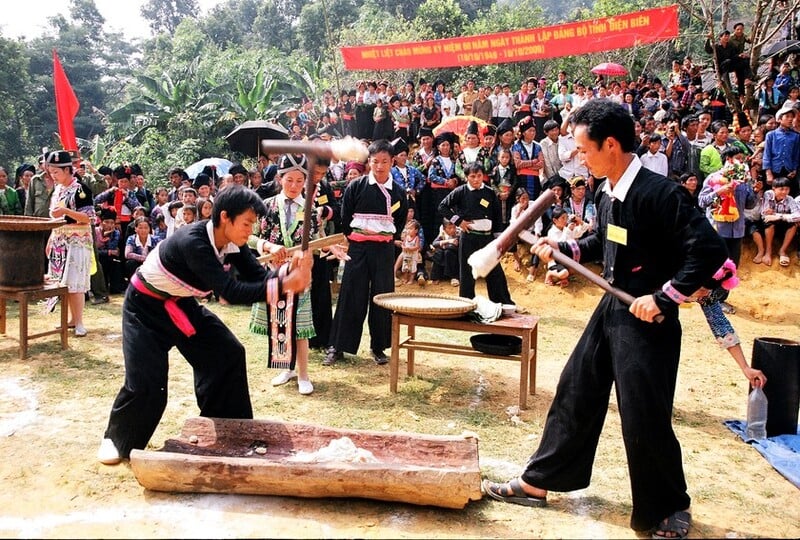
Hmong cuisine is simple but flavorful, using locally sourced ingredients. Staple foods include corn, rice, and various herbs found in the mountains.
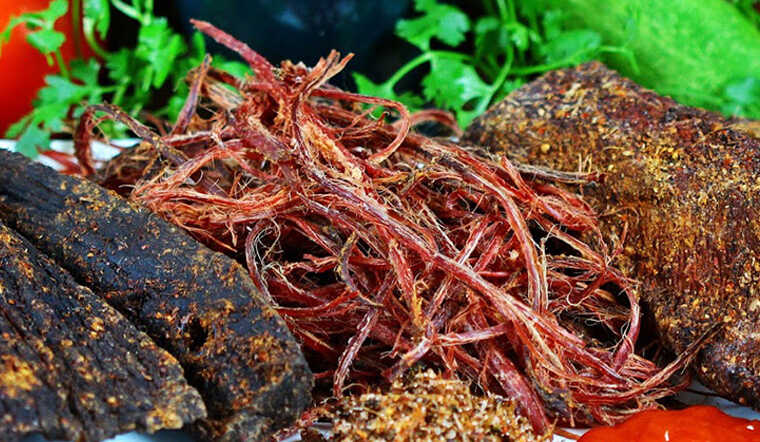
Popular dishes include corn cakes, smoked meats, and traditional soups. Meals are often shared among family members, reinforcing a sense of unity and hospitality.
Cultural Values and Social Structure
Family plays a central role in Hmong society. Respect for elders, strong kinship ties, and community cooperation are fundamental values.
Marriage customs, traditional roles, and community responsibilities are guided by long-standing traditions that continue to be preserved today. These cultural norms contribute to the stability and identity of the Hmong people.
Travel Experience with Vietlook Travel
For travelers interested in exploring Hmong culture in a deeper and more meaningful way, Vietlook Travel offers curated tours to northern Vietnam.
These experiences include visits to ethnic villages, participation in local markets, and opportunities to engage with Hmong families. With well-planned itineraries and knowledgeable guides, Vietlook Travel helps visitors connect with the authentic cultural heritage of the region.
The culture and traditions of the Hmong people represent a unique and invaluable part of Vietnam’s cultural diversity. From their vibrant clothing and spiritual beliefs to their daily life in the mountains, every aspect reflects a deep connection to history and nature.
Exploring Hmong culture is not only a journey through beautiful landscapes but also an opportunity to understand a way of life that has been preserved for generations.
Related post:
-

Must Try Local Specialties In Ninh Binh You Should Not Miss
-

Best Time To Visit Ninh Binh: A Complete Seasonal Guide
-

The Best Lotus Viewing Spots In Ninh Binh
-

Travel Guide To Van Long Nature Reserve
-

Top Tourist Attractions In Ninh Binh, Vietnam
-

Exciting Experiences At Silver Waterfall In Sapa
-
Sapa Summer Travel Guide: What To Eat, Where To Stay
-

Important Tips For Traveling To Sapa In Summer
-

What Makes Sapa Beautiful In Summer?
-

Essential Travel Tips For Exploring Northwest Vietnam
-
Peaceful Moments In The Green Tea Hills Of Moc Chau
-

Discover The Flavors Of Northwest Vietnam In Autumn
-

Experience Traveling In Northwest Vietnam With Scenic Homestays
-

Traveling To Sapa During The Cherry Blossom Season
-

Hoang Su Phi, Ha Giang – A Masterpiece Of Nature And Human
-

Sapa, Lao Cai – Where The Legend Of Terraced Fields Comes To Life