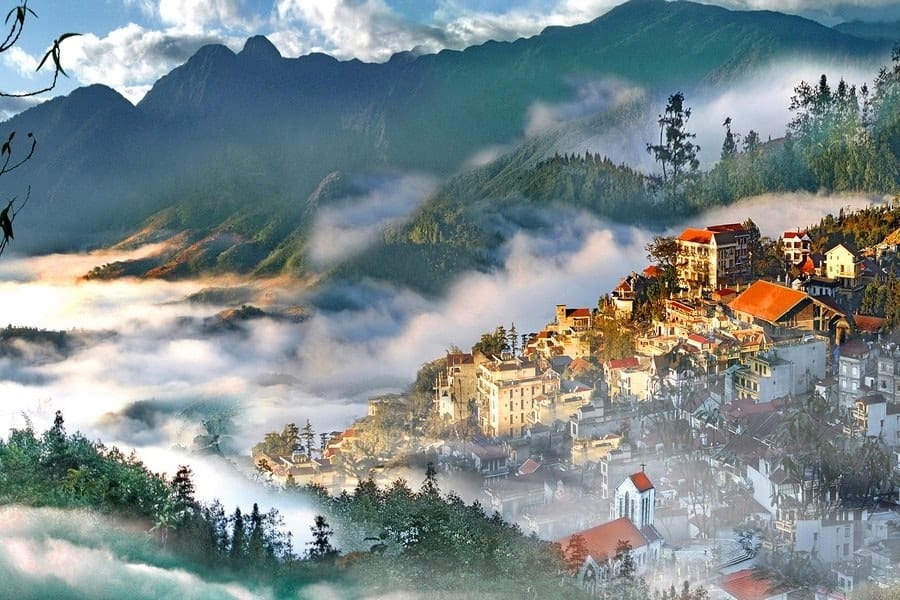
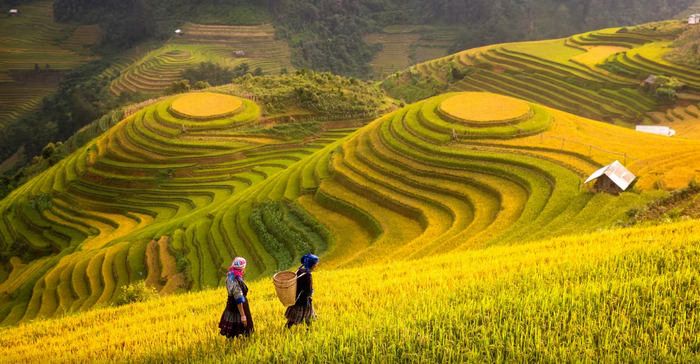
Sapa, located in Lao Cai Province, is one of the most iconic destinations in Northwest Vietnam. Known for its majestic mountains, cool climate, and breathtaking terraced rice fields, Sapa has long been a symbol of natural beauty and cultural diversity.
Here, the legendary terraced landscapes are not just scenic views but living evidence of generations of agricultural ingenuity by ethnic communities. Surrounded by the Hoang Lien Son mountain range, Sapa offers a harmonious blend of nature, culture, and authentic local life.
Cat Cat Village – A Traditional Village at the Foot of Hoang Lien Son
Nestled at the base of the Hoang Lien Son mountains, Cat Cat Village is one of the most accessible and well-preserved ethnic villages in Sapa. It is home to the Hmong people, who have maintained their traditional lifestyle for centuries.
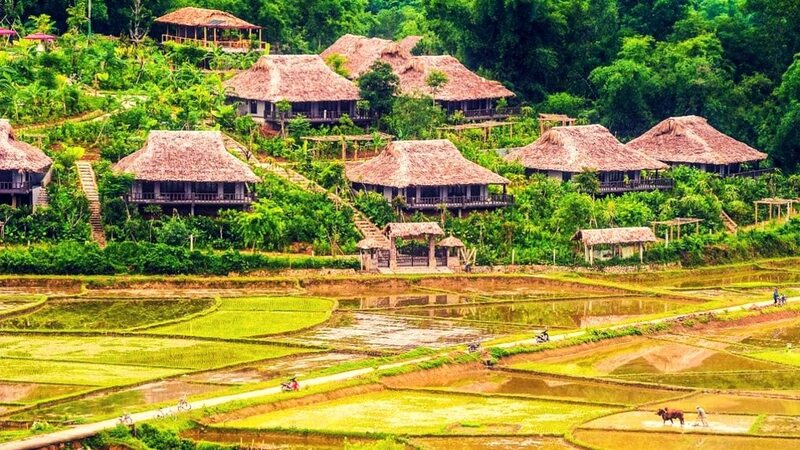
Walking through Cat Cat Village, visitors can explore wooden houses, terraced fields, and small streams flowing through the valley. The village also showcases traditional crafts such as weaving, embroidery, and silver jewelry making.
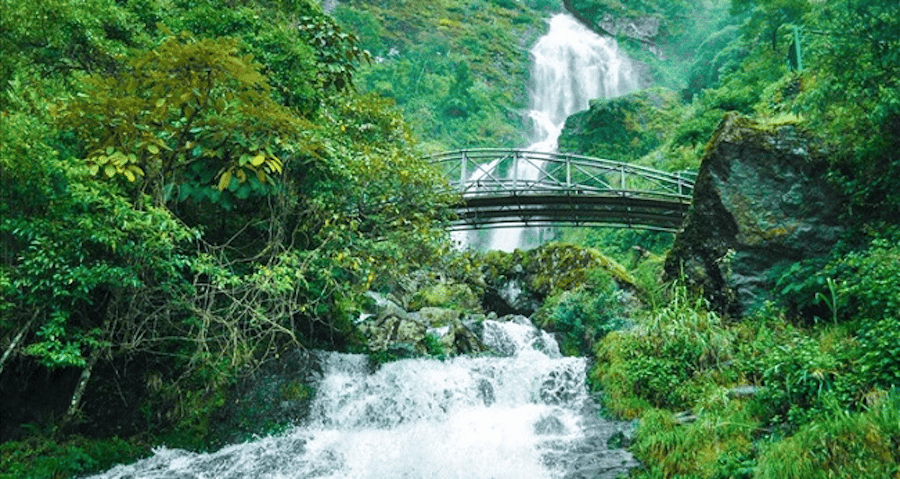
One of the highlights is the Cat Cat waterfall, where natural beauty blends with cultural performances and local architecture. Despite its popularity, the village still retains a strong sense of authenticity, making it an ideal introduction to ethnic culture in Sapa.
Muong Hoa Valley – Where Nature and History Intertwine
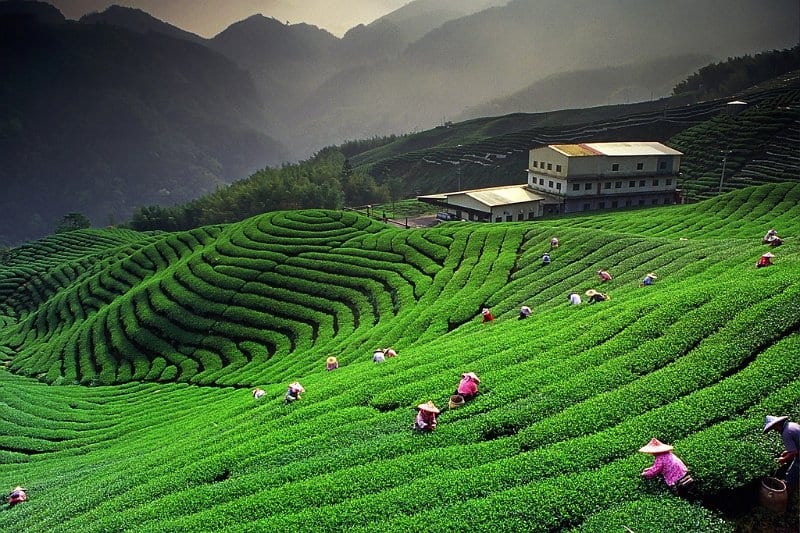
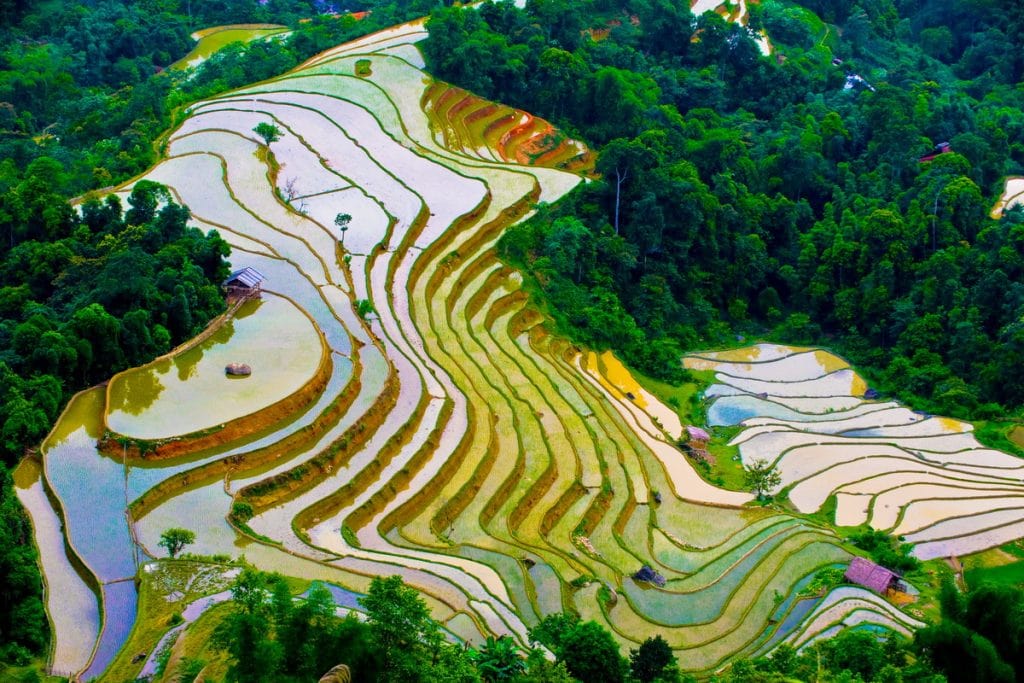
Muong Hoa Valley is considered one of the most beautiful valleys in Sapa. Stretching along a peaceful stream, the valley is surrounded by endless terraced rice fields that change colors with the seasons.
Beyond its natural beauty, Muong Hoa Valley is also famous for its ancient rock field. Scattered across the valley are large stones engraved with mysterious carvings and symbols, believed to date back thousands of years. These carvings remain an important cultural and historical mystery, attracting researchers and curious travelers alike.
The Muong Hoa stream gently flows through the valley, adding a sense of tranquility to the landscape. Trekking through this area allows visitors to experience both the scenic beauty and the cultural depth of the region.
A Destination of Culture and Natural Harmony
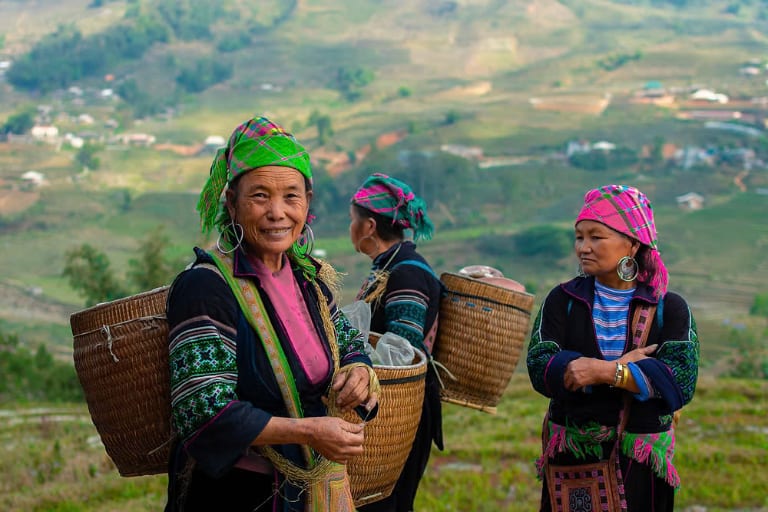
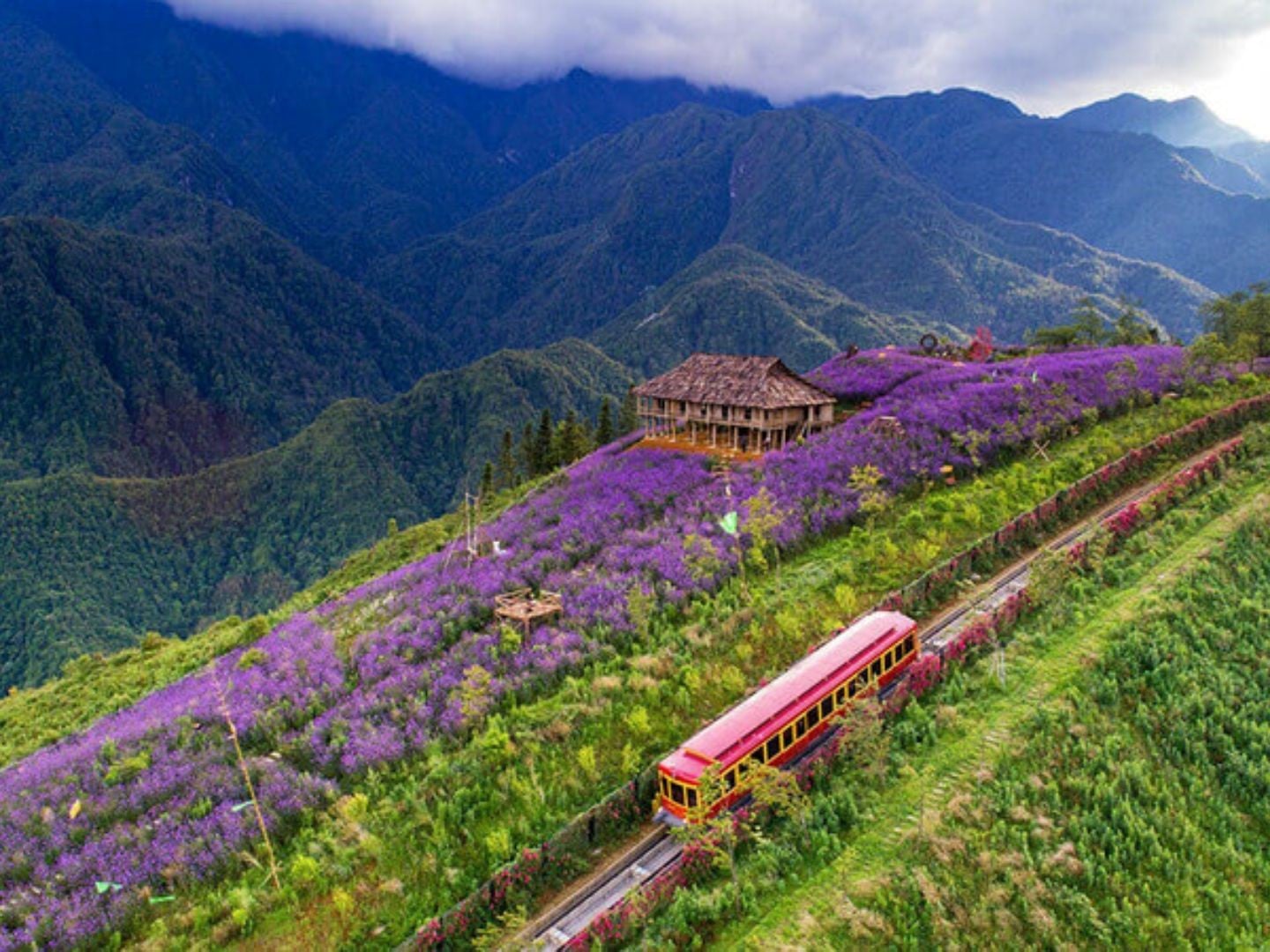
Sapa is not only about landscapes but also about the people who live there. Ethnic groups such as the Hmong, Dao, Tay, and Giay contribute to a rich cultural tapestry, expressed through traditional clothing, festivals, and daily life.
Visitors have the opportunity to engage with local communities, stay in homestays, and experience authentic traditions. This cultural connection is what makes Sapa more than just a tourist destination.
Travel Experience in Sapa
The best way to explore Sapa is through trekking routes that connect villages, valleys, and scenic viewpoints. Each path reveals a different perspective of the region, from mist-covered mountains to vibrant rice terraces.
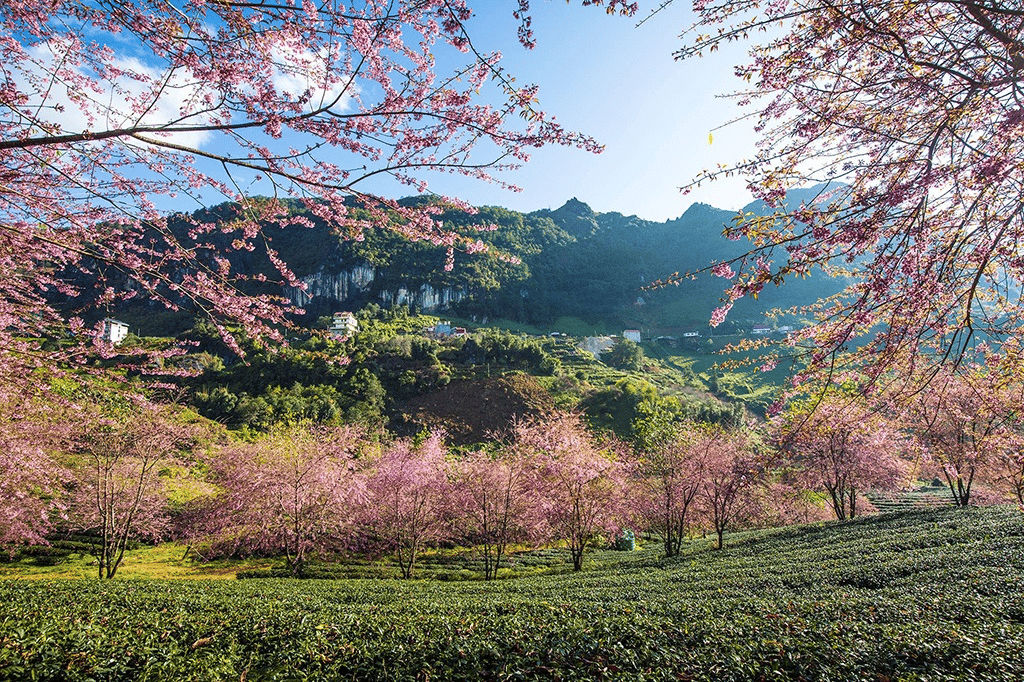
The climate in Sapa is cool year-round, with each season offering a unique charm. Whether it is the blooming flowers of spring, the green fields of summer, or the golden harvest of autumn, Sapa always has something special to offer.
Discover Sapa with Vietlook Travel
Vietlook Travel provides professionally designed tours to Sapa, combining natural exploration with cultural experiences. From guided trekking routes to comfortable accommodations, every detail is carefully arranged to ensure a seamless journey.
Whether you are visiting for the landscapes or the cultural richness, Vietlook Travel helps you experience Sapa in a meaningful and well-organized way.
Sapa is a destination where nature, history, and culture come together in perfect harmony. From the legendary terraced fields to traditional villages like Cat Cat and the mysterious Muong Hoa Valley, every corner of Sapa tells a story.
For travelers seeking both beauty and authenticity, Sapa remains one of the most unforgettable destinations in Vietnam.
Related post:
-

Must Try Local Specialties In Ninh Binh You Should Not Miss
-

Best Time To Visit Ninh Binh: A Complete Seasonal Guide
-

The Best Lotus Viewing Spots In Ninh Binh
-

Travel Guide To Van Long Nature Reserve
-

Top Tourist Attractions In Ninh Binh, Vietnam
-

Exciting Experiences At Silver Waterfall In Sapa
-
Sapa Summer Travel Guide: What To Eat, Where To Stay
-

Important Tips For Traveling To Sapa In Summer
-

What Makes Sapa Beautiful In Summer?
-

Essential Travel Tips For Exploring Northwest Vietnam
-
Peaceful Moments In The Green Tea Hills Of Moc Chau
-

Exploring The Culture And Traditions Of The Hmong People In Vietnam
-

Discover The Flavors Of Northwest Vietnam In Autumn
-

Experience Traveling In Northwest Vietnam With Scenic Homestays
-

Traveling To Sapa During The Cherry Blossom Season
-

Hoang Su Phi, Ha Giang – A Masterpiece Of Nature And Human