Hanoi is not only the political and cultural capital of Vietnam but also a cradle of traditional craftsmanship that has been preserved and developed over centuries. The traditional craft villages in Hanoi represent a unique blend of history, artistry, and local identity, offering travelers a deeper understanding of Vietnamese culture beyond typical urban experiences.
From silk weaving and pottery making to bronze casting and folk art performances, each village tells its own story through skilled hands and time honored techniques. Visiting these destinations is not only a cultural journey but also an opportunity to witness the living heritage of the ancient capital.
Van Phuc Silk Village – The Heritage of Vietnamese Silk
Located in Ha Dong District, Van Phuc Silk Village is one of the most renowned traditional craft villages in Hanoi, with a history spanning over one thousand years. This village is considered the birthplace of Vietnamese silk weaving, where traditional techniques have been carefully preserved and refined across generations.
Historically, Van Phuc silk was selected for royal use due to its softness, elegant patterns, and high durability. Today, the village continues to produce a wide range of silk products, including traditional garments, scarves, and high end handicrafts designed for both domestic and international markets.
Visitors to Van Phuc can explore traditional weaving houses, observe the silk making process, and experience the charm of a village that seamlessly blends cultural heritage with modern tourism.
Ngu Xa Bronze Casting Village – A Symbol of Craftsmanship and Spiritual Art
Situated near Truc Bach Lake, Ngu Xa Bronze Casting Village has been an integral part of Hanoi’s cultural history since the seventeenth century. Over nearly five hundred years, the village has produced numerous significant bronze works, many of which hold spiritual and artistic value across Vietnam.
Notable creations include large scale Buddha statues and religious sculptures found in temples and pagodas nationwide. The artisans of Ngu Xa are known for their precision, patience, and dedication, transforming raw materials into intricate masterpieces.
Beyond its artistic value, the village represents a continuity of traditional knowledge, where craftsmanship is passed down through generations, preserving both technique and cultural meaning.
Dinh Cong Jewelry Village – The Art of Fine Silver Crafting
Dinh Cong Village is widely recognized as one of the four most prestigious traditional crafts of ancient Thang Long. Specializing in fine silver jewelry, this village showcases a level of craftsmanship that requires both technical mastery and artistic sensitivity.
Artisans in Dinh Cong follow strict traditional techniques, including shaping, soldering, engraving, and intricate detailing. Each product is handcrafted without industrial machinery, resulting in unique pieces that reflect elegance and authenticity.
Visitors can observe the meticulous process of jewelry making and purchase distinctive handcrafted items that carry both aesthetic and cultural value.
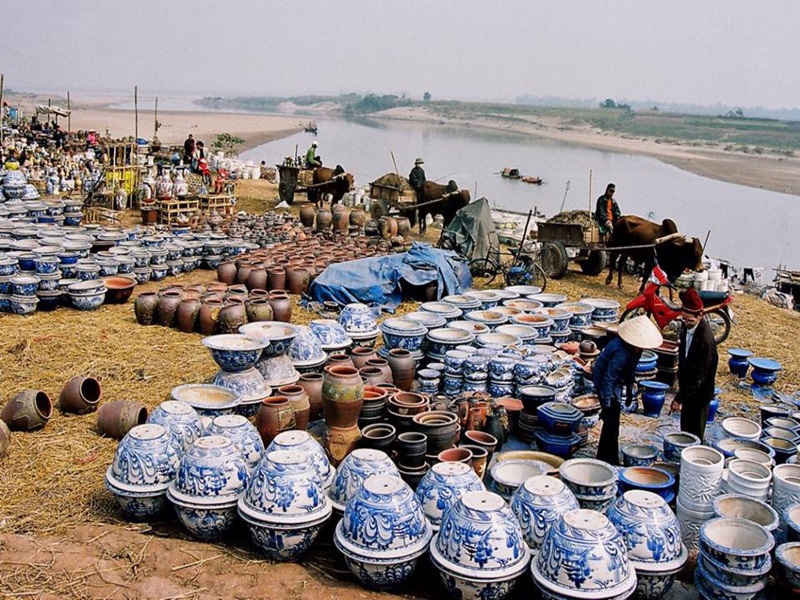
Bat Trang Pottery Village – A Timeless Center of Ceramic Art
Located approximately fourteen kilometers from Hanoi’s city center, Bat Trang Pottery Village is one of the most famous craft villages in Vietnam. With a long history of ceramic production, Bat Trang has become a symbol of traditional pottery craftsmanship.
The village is known for its wide range of ceramic products, from household items such as teapots and bowls to decorative pieces and artistic sculptures. The Bat Trang Ceramic Museum, with its unique spiral architecture inspired by the pottery wheel, offers an immersive experience into the history and evolution of the craft.
Visitors can also participate in hands on pottery workshops, making their own creations under the guidance of local artisans. This interactive experience adds a meaningful dimension to cultural tourism in Hanoi.
Phu Vinh Bamboo and Rattan Village – The Art of Natural Materials
Phu Vinh Village is famous for its bamboo and rattan weaving, a craft that reflects the ingenuity and creativity of Vietnamese artisans. Walking through the village, visitors can hear the rhythmic sounds of weaving and witness the transformation of simple materials into sophisticated products.
The range of products includes baskets, furniture, decorative items, and export quality handicrafts. Each item demonstrates a high level of craftsmanship and attention to detail.
This village offers insight into how traditional crafts can adapt to modern markets while maintaining their cultural identity.
Thach Xa Bamboo Dragonfly Village – A Symbol of Childhood Memories
Located about thirty kilometers from Hanoi, Thach Xa Village is known for its colorful bamboo dragonflies. These handcrafted toys, simple yet charming, are deeply connected to Vietnamese childhood culture.
Each dragonfly is carefully balanced so that it can stand on a fingertip, showcasing both creativity and craftsmanship. Visitors can observe the production process and purchase these unique souvenirs at affordable prices.
Dao Thuc Water Puppet Village – Preserving a Unique Folk Art
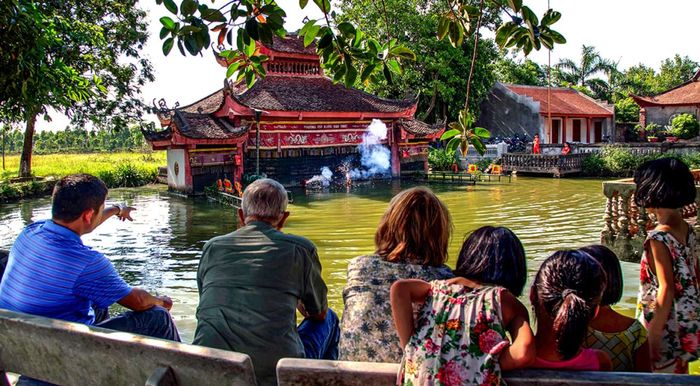
Dao Thuc Village is one of the few places in Vietnam that continues to preserve the traditional art of water puppetry, which dates back more than three hundred years. This performance art reflects rural life, folklore, and historical stories through wooden puppets moving on water.
Visitors can enjoy live performances and learn about the process of crafting puppets, all of which are handmade by local artisans. This experience provides valuable insight into Vietnam’s intangible cultural heritage.
Chuong Conical Hat Village – The Elegance of Traditional Headwear
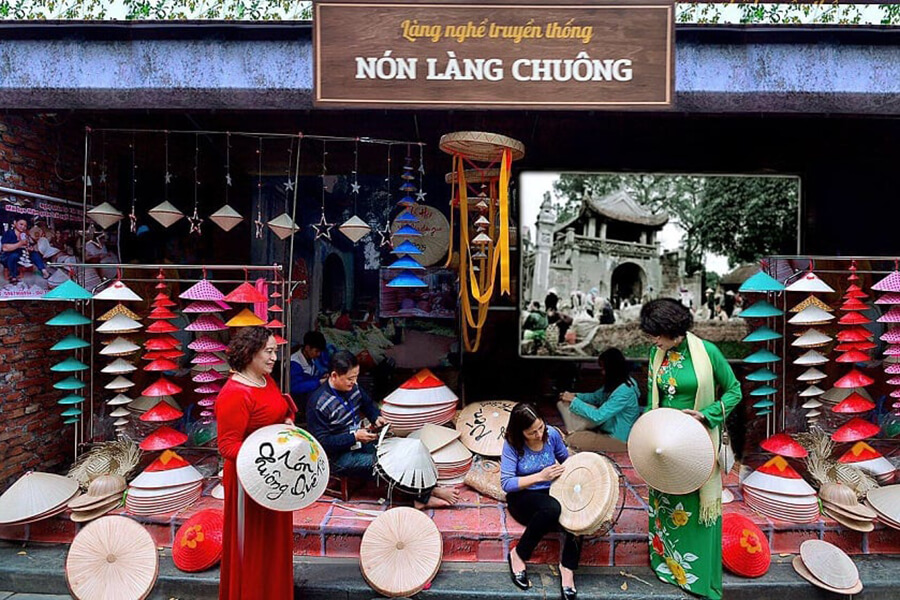
Chuong Village, located along the Day River, is known for producing traditional Vietnamese conical hats. The craft requires precision and patience, as artisans carefully assemble layers of palm leaves and bamboo frames.
The village market, held on specific days, offers a vibrant atmosphere where visitors can explore various styles of conical hats, including ceremonial and decorative versions. These products are not only practical but also symbolic of Vietnamese culture.
Dao Xa Musical Instrument Village – The Sound of Tradition
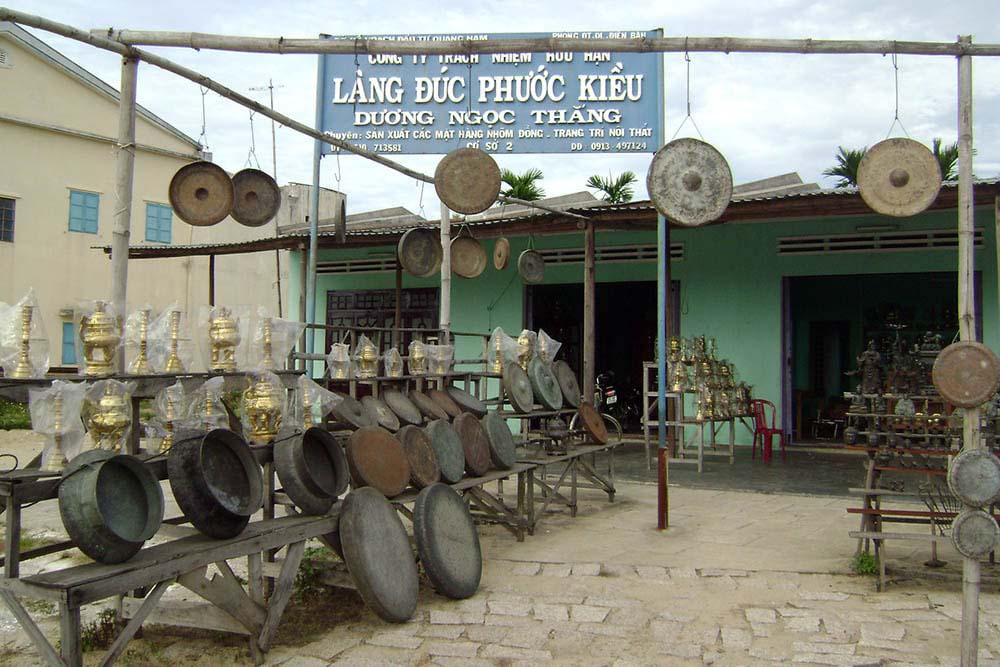
Dao Xa Village specializes in crafting traditional Vietnamese musical instruments such as the monochord, two string lute, and bamboo flute. What makes this village unique is that many artisans create instruments with remarkable sound quality despite having no formal musical training.
Visitors can listen to traditional melodies performed on locally made instruments and gain a deeper appreciation for Vietnam’s musical heritage.
Conclusion
The traditional craft villages in Hanoi are more than just production centers; they are living museums that preserve the cultural identity of the Vietnamese people. Each village represents a chapter in the history of Thang Long, where craftsmanship, tradition, and daily life are closely intertwined.
For travelers seeking authentic cultural experiences, exploring these villages offers a meaningful journey into the heart of Hanoi. Vietlook Travel provides curated tours and transportation services to help visitors discover these destinations in a convenient and insightful way, ensuring a deeper connection with Vietnam’s enduring heritage.
Related post:
-

Must Try Local Specialties In Ninh Binh You Should Not Miss
-

Best Time To Visit Ninh Binh: A Complete Seasonal Guide
-

The Best Lotus Viewing Spots In Ninh Binh
-

Travel Guide To Van Long Nature Reserve
-

Top Tourist Attractions In Ninh Binh, Vietnam
-

Exciting Experiences At Silver Waterfall In Sapa
-
Sapa Summer Travel Guide: What To Eat, Where To Stay
-

Important Tips For Traveling To Sapa In Summer
-

What Makes Sapa Beautiful In Summer?
-

Essential Travel Tips For Exploring Northwest Vietnam
-
Peaceful Moments In The Green Tea Hills Of Moc Chau
-

Exploring The Culture And Traditions Of The Hmong People In Vietnam
-

Discover The Flavors Of Northwest Vietnam In Autumn
-

Experience Traveling In Northwest Vietnam With Scenic Homestays
-

Traveling To Sapa During The Cherry Blossom Season
-

Hoang Su Phi, Ha Giang – A Masterpiece Of Nature And Human